
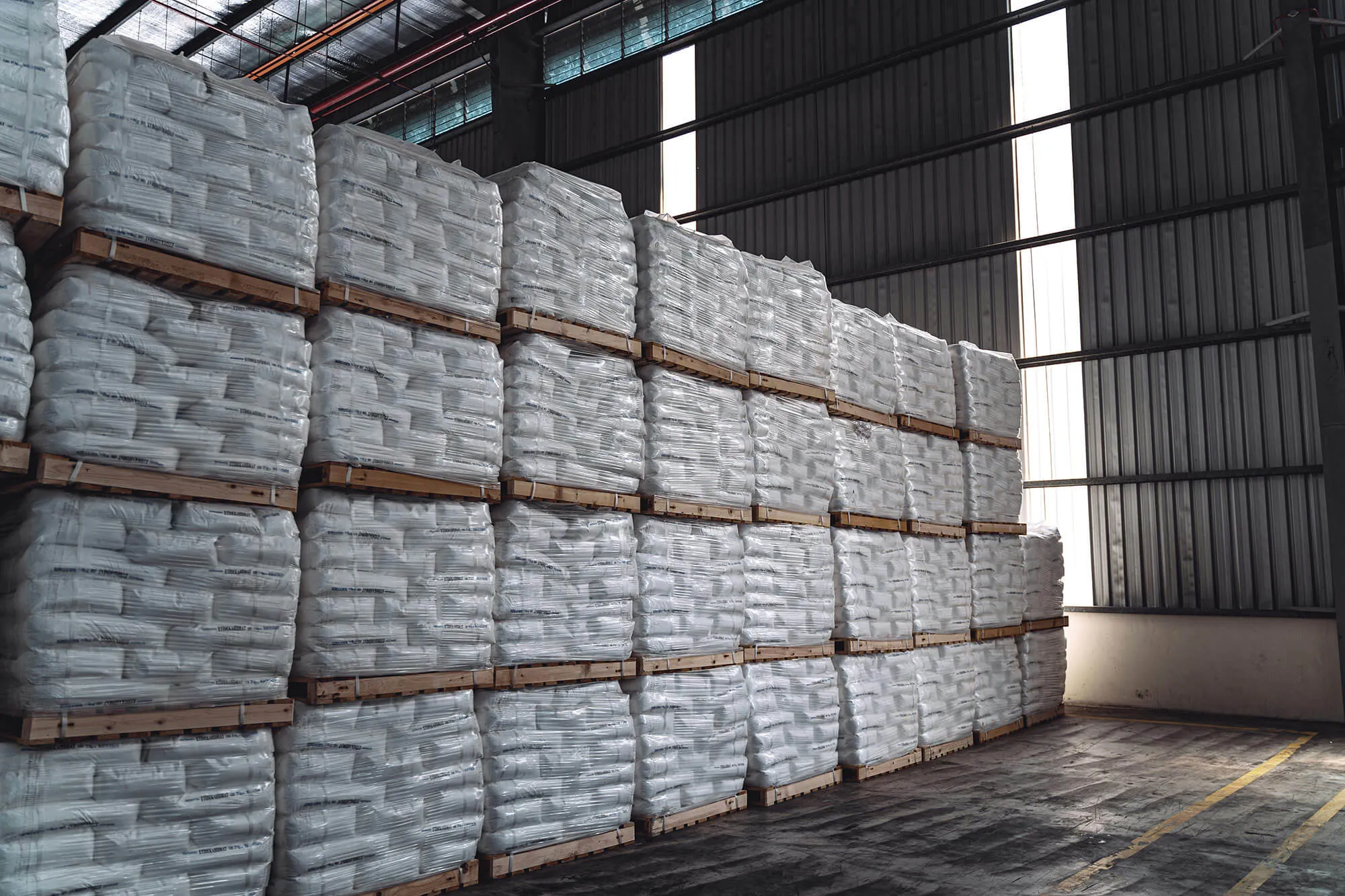
Why is heat hard to manage in a warehouse?
Warehouses trap heat. JMAR lists constant movement, heavy lifting, long shifts, limited airflow, equipment heat, trailers, docks and fast order demands. The U.S. Bureau of Labor Statistics counted 1,420 heat injuries with days away from work in the trade, transportation and utilities group over 2021 and 2022. Manufacturing had 980.
Plan acclimatization for new hires. Read the OSHA heat rules and the heat stress prevention pillar to see what applies to your site today.
What gap do Rapid Restoration Drops fill?
Most warehouse heat plans cover prevention: water, breaks, fans, cooling areas and training. Rapid Restoration Drops add a response layer. They replace electrolytes lost in sweat and support hydration, so supervisors can act when early signs show.
JMAR says you can stage them at docks, breakrooms, supervisor stations, first-aid kits, coolers and high-heat work zones. Learn what an electrolyte does and how dehydration starts.
What is the Respond, Restore, Recover routine?
JMAR frames it as three steps for supervisors and crews.
| Step | What it means |
|---|---|
| Respond | Act on early signs: fatigue, cramping, headache, irritability, reduced focus or a drop in performance |
| Restore | Use a field-ready mineral restoration system to help maintain stamina and fight muscle cramps during demanding shifts |
| Recover | Add end-of-shift support after heat, heavy output and long hours on the floor |
The outcome JMAR describes is stronger stamina, faster response, better recovery and fewer disruptions.
Which pack fits a warehouse?
The 4 oz bottle holds 48 servings and suits break areas ($50.00, or $45.00 a month subscribed). The 15 pack ($37.50) is a low-cost trial. The 50 pack ($125.00) fits supervisor stations. The case of 350 ($700.00) covers a large floor. See the shop or request bulk pricing.
Track the effect on your site with JMAR’s own ROI calculator.
How should supervisors stage the drops?
Put a bottle where workers already stop: the dock door, the break table and the supervisor station. Keep single-serve packets in first-aid kits and on forklifts or carts. Brief every shift lead on the label’s suggested use and on the 911 plan. Use the jobsite hydration plan as a template for a warehouse floor.
What if someone shows signs of heat stroke?
Call 911 and cool the worker right away. Confusion, slurred speech or unconsciousness are signs of heat stroke. The drops are a dietary supplement and not a substitute for emergency care. Review the emergency protocol.
Next step
Request a quote or book a 15-minute demo. You can also ask for a free sample.