
Search products, guides and terms

Try "heat stroke", "OSHA", "packets" or "construction". Press Esc to close.

Heat safety for plant floors

Give supervisors a practical way to replace electrolytes lost in sweat near furnaces, steam and hot equipment, shift after shift.

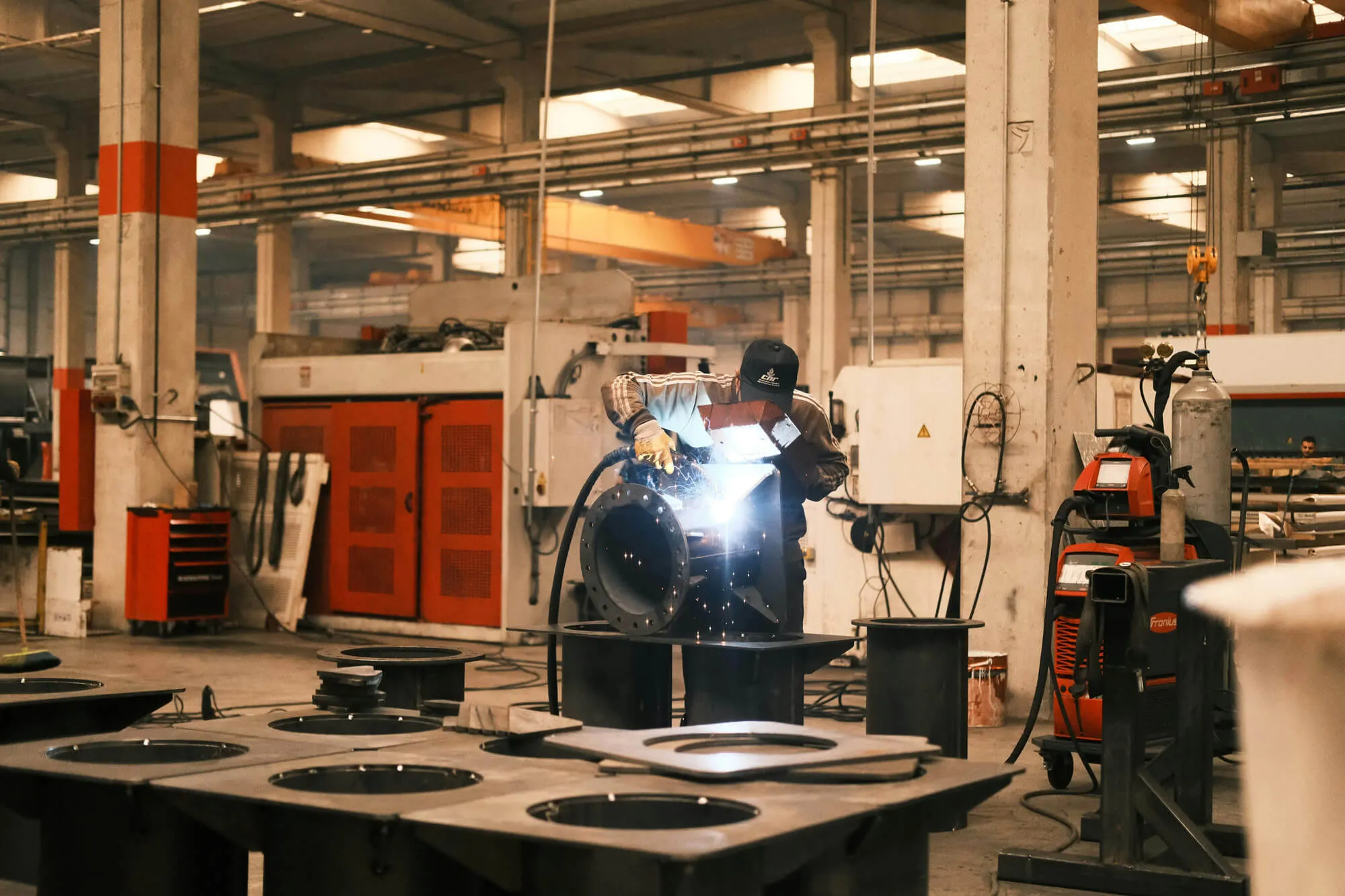
Workers on a busy industrial manufacturing floor

Plants heat workers from the inside and the outside: radiant heat, process heat, tight spaces and long shifts. Rapid Restoration Drops are a liquid electrolyte dietary supplement that replaces electrolytes lost in sweat and supports hydration. JMAR also trains plant teams, so supervisors know when and how to act.

Why is heat a problem inside a plant?

Heat inside a plant does not follow the weather. JMAR lists constant radiant heat from equipment, several heat sources in tight spaces, hard work near furnaces and steam, and long shifts with limited ventilation. The U.S. Bureau of Labor Statistics counted 980 manufacturing heat injury cases with days away from work in 2021 and 2022.

OSHA’s revised Heat National Emphasis Program covers indoor and outdoor work, as of April 2026. Learn the basics in OSHA heat rules and read about the OSHA heat NEP.

What is the Respond, Restore, Recover routine?

JMAR frames plant heat response in three steps. Each one gives supervisors a clear action.

Step What it means on the floor
Respond Act when early signs show: fatigue, cramping, headache, irritability, reduced focus or a drop in output
Restore Replace electrolytes lost in sweat before the situation escalates to downtime or a medical call
Recover Support end-of-shift recovery after repeated heat exposure, overtime, shutdowns and high-output work

Rapid Restoration Drops replace electrolytes lost in sweat and support hydration. They sit beside water, breaks and cooling. They do not replace them. See electrolytes and sweat rate.

What does plant training cover?

JMAR says its manufacturing-specific training fits your existing protocols. Sessions give your teams practical hydration strategies for demanding production schedules. JMAR also runs onsite toolbox talks and ongoing coaching, as part of the hydration programs.

Use the heat stress program guide to check your written plan. Request a plant training demo through the link below.

What is in the product?

One 4 fl oz (120 mL) bottle holds 48 servings. Per 1 tsp serving the label lists magnesium 90 mg, chloride 750 mg, sodium 200 mg, potassium 300 mg and sulfate 40 mg. It has no sugar, no calories and no flavor. It is made in the USA. Compare formats in the shop or ask for bulk pricing.

JMAR says: “Just a squirt to reverse the hurt.” JMAR also says that when properly deployed, its systems can help add three or more productive hours per day in triple-digit heat. Treat both as JMAR’s claims.

What if a worker shows heat stroke signs?

Call 911 and cool the worker right away. The drops are not medicine and not a substitute for emergency care. Review the emergency protocol with every shift lead.

Next step

Book a 15-minute demo and ask for plant training. You can also request a free sample.

We are a frac sand mining group in west Texas. ... Cold and wet in the winter, and hotter than heck for months on end in the summer makes for a challenging set of environmental conditions. We haven't experienced any heat, or dehydration, related events at our mining facilities since our employees have started this routine. We provide drops in the breakrooms so everyone can crack the lid and add a few drops in the...

Rick Steiskal, EHS Director, Atlas Energy Solutions
More case studies

Questions crews and safety managers ask

What heat hazards do manufacturing workers face?

JMAR lists radiant heat from equipment, several heat sources in tight spaces, hard work near furnaces and steam systems, and long shifts with little ventilation. NIOSH adds that clothing and PPE add to heat stress. Indoor heat counts: OSHA's heat emphasis program covers indoor and outdoor work.

How common are heat injuries in manufacturing?

The U.S. Bureau of Labor Statistics counted 980 manufacturing injury cases with at least one day away from work due to extreme environmental heat over 2021 and 2022. Only trade, transportation and utilities had more among the industries it listed.

How do Rapid Restoration Drops fit a plant safety program?

They sit beside water, breaks, fans and cooling areas. The drops replace electrolytes lost in sweat and support hydration. Supervisors keep bottles or packets at stations and use them when workers show early signs of depletion. JMAR trains teams on when and how to use them.

Can JMAR train our plant teams?

Yes. JMAR says its manufacturing-specific training gives teams practical hydration strategies for high-heat plants and fits your existing protocols. Ask for a plant training demo through the Calendly link. JMAR also runs onsite toolbox talks and coaching.

What do I do when a plant worker shows heat stroke signs?

Call 911 and cool the worker right away. OSHA says confusion, slurred speech or unconsciousness are signs of heat stroke. Stay with the worker. The drops are a dietary supplement and not a substitute for emergency care.

Ironworkers silhouetted on a steel frame against a hot orange sunset

See it on your crew in 15 minutes

Jennifer walks your safety team through the drops, the protocol and the numbers on a short live call.

Book a demoCall